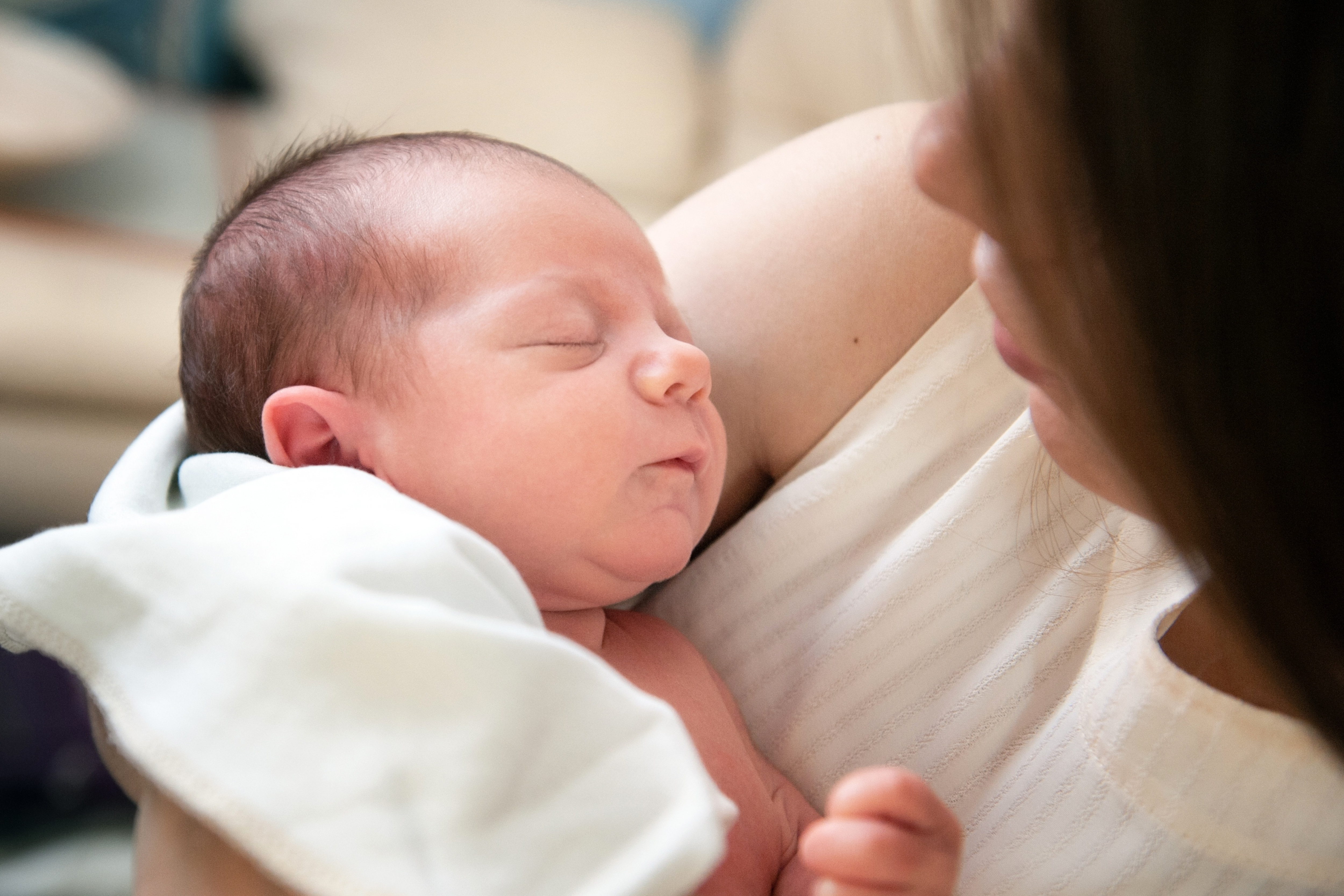
The experience of welcoming a baby into your life is one of the most important life experiences for men and women.
It’s normal to think about what pregnancy, childbirth and life with a child involve. Do you have many questions? It’s normal! Is your concern higher for some things than others? That’s normal too, given all the unknowns involved in becoming parents.

That said, many things can contribute to making this experience both unforgettable and enriching. Take care of yourself during pregnancy and learn how you can do that with your partner. Make informed choices, be healthy both in your mind and body, get support, let yourself be guided during your labour and delivery…
We know that childbirth is a box of chocolates! That said, you have to learn to let go because no one has full control over what will happen. Beside them in their bed in the delivery room, I often tell parents the following: “We always do our best! Things may not go as we planned or hoped for, but what’s important is that everyone is fine at the end. That’s why you have to be open to different possibilities. We never know the pregnancy outcome until everything is finished.”
Even if you didn’t think that you would give birth via caesarian, sometimes circumstances make it preferable to do one to get your baby out as quickly as possible. Caesarians exist so that the baby can be born healthy with all its faculties, and parents are always happy that’s the case. In the end, all they want is a healthy mom and baby!
I think that the experience of giving birth helps the new mother and father learn more about who they are. Future mothers are much stronger than they think! You have to trust yourself and your abilities. Hidden inside of you is a well of energy that you can use to experience this event, so dig deep at the right time!
Getting support and help is essential for a woman in labour. You need to be surrounded by positive energy, love, understanding, respect, care and encouragement to help you relax, concentrate and feel confident. It’s so important to have someone you love at your side, whether your partner or someone you really care about! You can also ask for a doula, someone who can step in and assist you during childbirth.

It’s not always easy for the person who is there, beside the future mother. Many say they feel powerless and rather useless. However, always remember that “doing” isn’t always the best way to help a woman in labour. Rather, it’s the “being” that helps most. This means offering quality presence, being there giving 100% of yourself, near her and with her. That’s what she needs most. They would happily share your contractions with you…but that’s impossible! 😊
Everyone has probably already told you that a contraction during labour hurts! Well, indeed it does! With my experience in the maternity ward, I can tell you I have never seen a woman in labour or delivering ask for stronger contractions or say that she loves them. On the other hand, I can say that many women giving birth can control their feelings and concentrate on “positive” pain because they’re bringing their child into the world. If you didn’t feel this pain, how would you know when to push, when the baby’s arriving?
Many natural ways to soothe pain during childbirth exist. I encourage you to explore them. Try things that might help. You have to try before you can know if it works or not. This might mean a therapeutic ball, different positions, having a bath, a massage of the lower back. All these things can help during labour and childbirth.
Giving birth to your baby vaginally involves three changes in the cervix and pelvis:
- The cervix has to efface (become thinner)
- The cervix has to open, dilate to let the baby pass
- The baby has to descend into the mother’s pelvis properly
It’s a bit like a turtleneck. To put it on over your head, it has to thin and open to let your head through.
Finally, nature is well designed, and you have to learn to trust yourself and life. This is an essential premise to include when preparing for life as parents.
I hope you have a remarkable experience!
To learn more, you can read these articles (in french):
- Do you know affective preparation for birth?
- Relaxation and Labour
- An Episiotomy
- Caesarian or no?
- Breech Birth—Yes or No?
Or watch these videos (in french):
- Warning Signs of Imminent Labour
- Evolution of Labour
- Reactions of Mothers During Labour
- The Experience of Fathers During Labour
Talk soon,
Marie Fortier
The Baby Expert